

How AI Tools Are Helping Small Businesses Grow Online
Running a small business is not easy. Business owners have to manage customers, products, sales, marketing, and many other daily tasks. At the same time, social media has become an important way to reach new customers and keep existing ones connected with a brand. The problem is that managing social media can take a lot of time, especially for businesses with small teams.
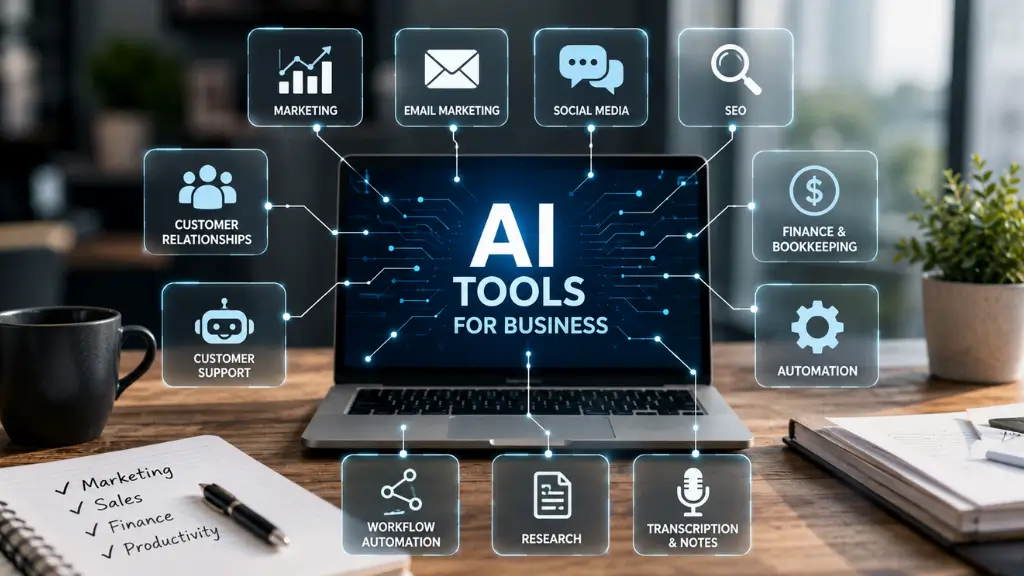
This is where AI social media tools can be useful. They can help businesses save time, organise their content, understand their audience, and improve their online presence. Instead of handling every social media task manually, small businesses can use these tools to make some parts of their daily work faster and easier.
1. Create Social Media Content Faster
Creating fresh content regularly can be one of the hardest parts of social media marketing. A business needs new posts, captions, images, videos, and ideas to keep its audience interested.
AI-powered tools can help with this process by suggesting content ideas, creating draft captions, and helping businesses plan different types of posts. For example, a clothing store can use a tool to develop ideas for product posts, styling tips, seasonal promotions, and customer-focused content.
Popular platforms such as Canva also make it easier for small businesses to create professional-looking social media graphics without needing advanced design skills.
The final content should still be checked and edited by a person. This helps make sure that every post matches the business’s style and sounds natural.
2. Plan and Schedule Posts
Consistency is important on social media, but posting every day can be difficult for a busy business owner. Social media management tools can make this task easier by allowing businesses to prepare content in advance.
Tools such as Buffer, Hootsuite, and Later can help businesses organise and schedule their social media posts. Instead of stopping their work several times a day to publish content, business owners can prepare several posts together.
![Hootsuite vs Buffer vs Later: Best Social Media Tool [2025]](https://media.licdn.com/dms/image/v2/D5612AQEYm3Lzu_srjA/article-cover_image-shrink_720_1280/B56ZlcciSGHkAI-/0/1758192617898?e=2147483647&v=beta&t=aBkoUKqpnkVkEG0YuJmkKxqecpo1AizOVvTzNOPc6UY)
This can make social media management more organised and give owners more time to focus on customers and other business responsibilities.
3. Understand What the Audience Wants
A business can publish dozens of posts without knowing which ones are actually helping. Looking at audience activity can provide useful information about what people enjoy and what encourages them to interact with a brand.
AI social media tools and analytics platforms can help businesses review information such as engagement, reach, clicks, and audience activity. These details can show which types of content are performing well.
For example, a small business may notice that short videos receive more engagement than static images. Another business may find that educational posts bring more website visits than promotional posts.
Understanding these patterns can help businesses make better decisions about future content.
4. Save Time on Everyday Tasks
Time is especially valuable for small businesses. Owners often handle several responsibilities themselves, which means spending hours managing social media may not be practical.
AI tools can help reduce the time needed for some routine tasks. Businesses can use them to brainstorm ideas, prepare content, organise campaigns, and review performance.
The purpose is not to replace the people behind a business. Instead, these tools can take care of repetitive parts of the process and allow business owners to focus on tasks that require personal attention.
A few saved hours each week can make a meaningful difference for a small business.
5. Build a Stronger Online Presence
Growing a business online requires more than simply posting advertisements. Customers want useful information, interesting content, quick responses, and a reason to trust a brand.
AI social media tools can support businesses as they build a more consistent online presence. They can help with content planning, audience research, performance tracking, and other marketing activities.
However, businesses should not depend entirely on automated content. A strong social media presence still needs real stories, genuine communication, and a clear understanding of the customers.
The best results often come when technology and human creativity work together.
Choosing the Right Social Media Tools
There are many tools available, and small businesses do not need to use all of them. The right choice depends on what a business actually needs.
Canva can be useful for creating visual content, while Buffer and Hootsuite can help with scheduling and social media management. Sprout Social offers more advanced management and analytics features, while Metricool can help businesses monitor performance across different platforms.
Before choosing a tool, business owners should identify their biggest problem. If creating graphics takes too much time, a design platform may be the best starting point. If scheduling is the main challenge, a social media management tool may be more useful.
Why Human Input Still Matters
Technology can make social media work easier, but it should not remove the human side of marketing. Customers connect with businesses because of their products, stories, service, and personality.
AI-generated suggestions should therefore be reviewed before they are published. Businesses should check facts, adjust the wording, and make sure the content represents their brand correctly.
This balance can help businesses use technology without making their social media pages feel repetitive or impersonal.
Final Thoughts
AI social media tools are giving small businesses new ways to manage their online marketing. From creating content and scheduling posts to studying audience behaviour and saving valuable time, these tools can support many parts of a social media strategy.
The biggest benefit is not simply automation. It is the ability to make everyday marketing work more manageable for small businesses with limited time and resources.
When used wisely, these tools can help business owners stay consistent, understand their customers, and build a stronger online presence. The technology can handle some of the routine work, while people remain responsible for creativity, decisions, and genuine connections with their audience.
For a small business looking to grow online, choosing a few useful tools and using them with a clear strategy can be a practical step toward better social media marketing and long-term growth.