

Software development is changing quickly, and artificial intelligence is becoming a bigger part of the process. AI tools can already help developers write code, explain problems, and find errors. But what happens after the code is written?
Anthropic has introduced Claude Ship, a new AI-powered system designed to help developers review code, fix problems, and approve changes. Instead of stopping after writing code, it can now help with several important steps before a project is ready to move forward.
The new system brings three main features together: Code Review, PR Steward, and Claude Approvals. Each one has a different job, making the development process more organized and reducing some of the work developers usually handle themselves.
Let’s look at how it works and what makes this launch important.
1. What Is Claude Ship?
Claude Ship is a collection of AI agents designed to help developers manage code changes in GitHub projects.
When developers make changes to a project, they usually create something called a pull request. A pull request allows other team members to check the new code before it becomes part of the main project.
This process can take time, especially when a project has many changes to review.
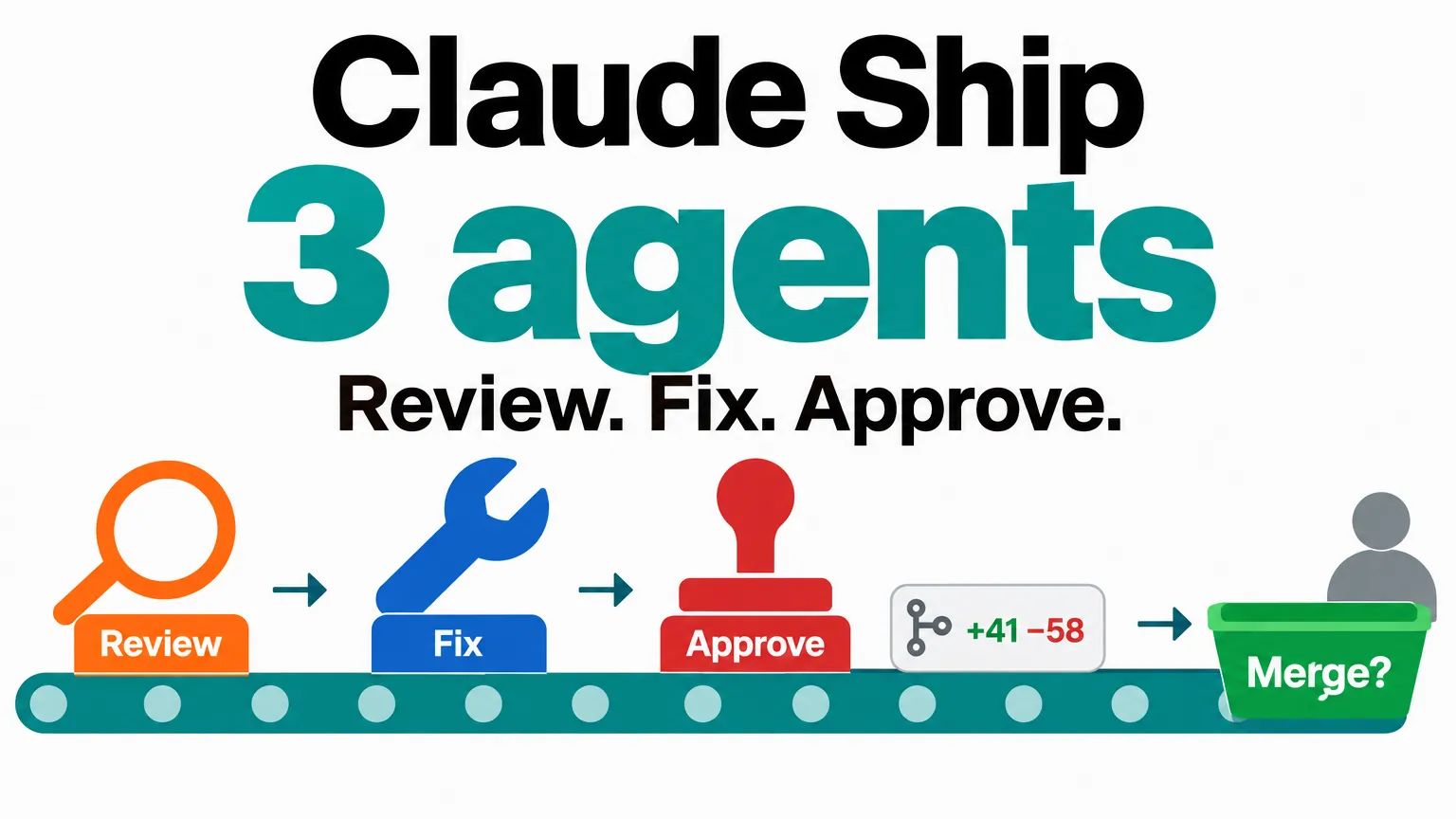
Claude Ship aims to make this process easier by checking proposed changes, helping fix problems, and handling certain approval tasks based on rules created by the development team.
The goal is simple: help developers spend less time managing repetitive tasks and more time building software.
2. Code Review Finds Problems in Code
The first part of Claude Ship is Code Review.
Its job is to examine proposed code changes and identify possible problems before they become part of a project.
It checks changes from different angles, verifies its findings, and shares feedback through the pull request.
Developers can also choose between three review levels:
- Quick: For faster checks.
- Standard: For regular code reviews.
- Deep: For more detailed examination.
Code Review is already generally available as part of the new system.
However, AI reviews should not replace careful testing or human judgment. Developers still need to check important changes before using them in real projects.
3. PR Steward Helps Fix Coding Problems
Finding errors is only one part of software development. Fixing them can take even more time.
This is where PR Steward comes in.
It is designed to help developers deal with problems such as:
- Failed automated checks.
- Conflicts between code changes.
- Feedback from reviewers.
- Issues identified during code reviews.
PR Steward can work on these problems and suggest or make changes to the pull request.
It also explains what it changed and how developers can undo those changes if needed.
Developers can guide the agent through comments using @claude or ask it to stop working with @claude stop.
One important point is that PR Steward does not approve or merge pull requests by itself. Its main responsibility is to help resolve problems.
4. Claude Approvals Brings AI Into the Approval Process
One of the most interesting parts of Claude Ship is Claude Approvals.
Traditionally, software teams depend on developers or other authorized team members to approve changes before they are merged.
Claude Approvals introduces a different approach.
Teams can create their own approval rules in a file inside their GitHub repository. These rules tell the AI which changes it can approve and which ones still need human attention.
For example, a team might allow automatic approval for simple documentation updates while requiring human approval for more important changes.
This gives development teams more control over routine tasks without removing the need for human decisions.
Anthropic recommends starting with observe-only mode so teams can understand how the approval system behaves before making it part of their required workflow.
5. Developers Can Use the /ship Command
Claude Ship also introduces a new way for developers to manage their work through Claude Code.
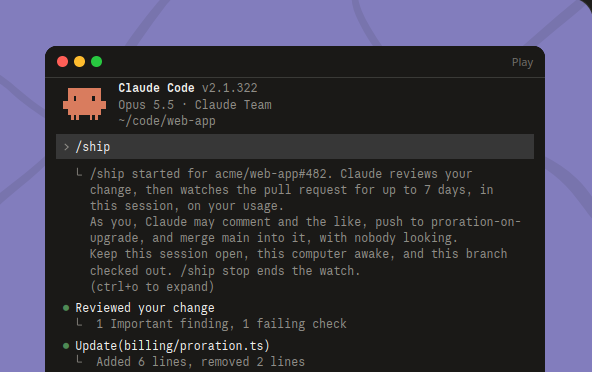
Developers can use the /ship command when their code is ready.
The command helps Claude push the changes, open a pull request, review the work, and address feedback or failing checks.
This can make the process easier because developers do not have to manage every step manually.
Teams can also enable the system for selected repositories, allowing it to work automatically when new pull requests are created.
6. Which Plans Support Claude Ship?
Claude Ship is rolling out to eligible Claude Team and Enterprise customers using GitHub repositories.
However, not every feature has the same availability.
Here is the current breakdown:
| Feature | Availability |
|---|---|
| Code Review | Generally available |
| PR Steward | Beta |
| Claude Approvals | Beta |
/ship command |
Rolling out |
Organizations can choose which repositories use the system and configure review levels, spending limits, and approval rules.
There are also some restrictions. Organizations using Zero Data Retention, HIPAA configurations, or customer-managed encryption keys are not currently supported.
Claude Ship usage is billed based on token consumption, so costs can vary depending on how many pull requests are reviewed and how much work the agents perform.
7. Why Claude Ship Matters for the Future of Software Development
AI coding tools are becoming more capable, but writing code is not the only challenge developers face.
Reviewing changes, fixing errors, handling feedback, and getting approvals can also take considerable time.
Claude Ship brings these tasks together in one workflow.
Its biggest advantage is that different agents can handle different responsibilities. One checks the code, another helps fix problems, and another applies the team’s approval rules.
This could make software development more efficient, especially for teams that work with large projects and frequent code changes.
Still, AI systems can make mistakes or miss important issues. Human review, testing, and clear project rules remain important.
Final Thoughts
Claude Ship is an interesting step toward a more automated software development process.
By combining code reviews, automated fixes, and policy-based approvals, it gives developers another way to manage their GitHub projects.
The most important change is that AI is moving beyond simply helping people write code. It is starting to take part in the steps that come after coding, too.
Although two of its main agents are still in beta, Claude Ship shows how AI-powered development tools may continue to change the way software teams work.