

1. Introduction: AI Chatbots Are Evolving
AI chatbots are improving every day. They can respond like humans. Therefore, conversations feel natural. Also, users enjoy chatting with them. They can answer questions quickly. In addition, AI chatbots can tell stories. Many people use them for learning and work. Even casual chats feel more real. For example, they can explain homework easily. Finally, AI chatbots are changing how we communicate. In short, they are evolving fast.
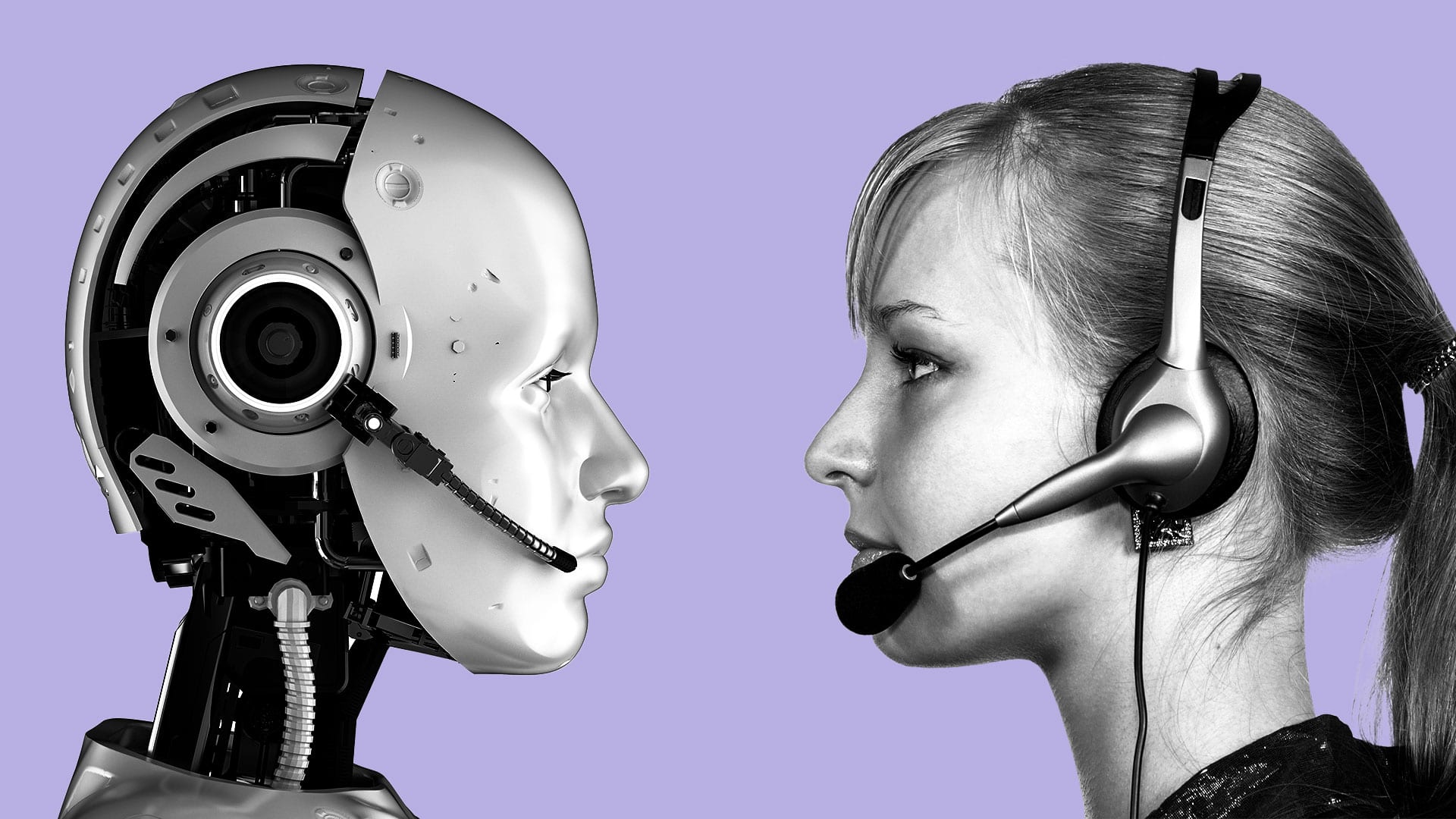
2. How AI Chatbots Work
AI chatbots use smart language technology. First, they read what you type. Then, they give human-like answers. This helps in school, work, or daily life. Also, they try to understand your emotions. In addition, they analyse words and context. For example, they can answer tricky questions. However, clear input improves their responses. Therefore, users should be specific. Overall, AI chatbots work like helpful assistants.

3. Human-Like Conversations
AI chatbots can mimic human emotions. For example, they can sound happy or serious. Also, they can be funny sometimes. This makes conversations feel real. Users often feel understood while chatting. In addition, they can tell jokes or give advice. However, they still learn from texts online. Therefore, conversations improve over time. Finally, human-like AI makes chatbots more useful. In short, they feel almost like talking to a friend.
4. Why AI Chatbots Matter
AI chatbots are helpful tools. For example, they guide students with homework. Also, they support customers online. In addition, they provide company to lonely people. Therefore, technology feels easier to use. They save businesses time too. For instance, repetitive questions are answered quickly. Also, AI chatbots work 24/7. Finally, they make life smoother and faster. In short, AI chatbots are very useful today.

5. The Technology Behind AI Chatbots
AI chatbots use large language models. First, they learn from millions of texts. Then, they study how humans write and speak. Therefore, they respond naturally. Also, they can generate answers quickly. In addition, they adapt to different topics. For example, they can explain science or history. However, more data improves their skills. Finally, AI chatbots are powerful tools. In short, their technology makes them human-like.
6. Challenges of Using AI Chatbots
AI chatbots are smart but not perfect. Sometimes, they misunderstand questions. Also, they can give wrong answers. Therefore, users should check facts. In addition, errors happen with unclear data. For example, beginners may get confused. However, developers are improving AI chatbots. Clear instructions make them better. Finally, understanding limits keeps chats safe. In short, AI chatbots need careful use.
7. Ethical Concerns About AI Chatbots
AI chatbots can spread misinformation. For example, fake news can happen online. Also, some people may misuse them. Therefore, developers must follow ethical rules. In addition, safety and privacy are important. Users should also act responsibly. However, AI chatbots cannot think like humans. They follow patterns from data. Finally, monitoring prevents misuse. In short, ethics are key for AI chatbots.
8. How ChatGPT Stands Out
ChatGPT is a popular AI chatbot. It is safe and reliable. Also, it reduces harmful answers. In addition, it answers a wide range of questions. For example, it can write stories or essays. Users enjoy its clear and polite tone. However, not all chatbots are like ChatGPT. Therefore, it sets a higher standard. Finally, many people prefer ChatGPT. In short, it is one of the best AI chatbots today.
9. The Future of AI Chatbots
AI chatbots will get even smarter. They may understand emotions better. Also, they can give personal help daily. In addition, they may assist in learning and work. For example, voice integration is possible. However, users must use them carefully. Technology will make conversations more real. Finally, AI chatbots will continue improving. In short, the future of AI chatbots is bright and useful.
10. Tips for Using AI Chatbots
Be clear when asking questions. Also, be specific for better answers. Remember, AI chatbots are tools, not humans. In addition, they assist but do not replace thinking. For example, check facts from other sources. Avoid sharing personal info online. Also, interact politely for better results. Practice improves your experience. Finally, learning their limits makes AI chatbots safer. In short, smart use gives the best results.
11. Conclusion
AI chatbots are changing communication. They are exciting, helpful, and improving fast. Also, human-like conversations make tech fun. In addition, users must know chatbot limits. They are tools for easier life. For example, they help in learning and work. However, ethical use is essential. Finally, AI chatbots will keep evolving. In short, they are here to stay and grow smarter.