

Introduction to AI Jobs Impact
AI jobs impact is changing workplaces around the world, and as a result many people are watching it closely. It brings both excitement and fear about job security, so the topic feels very personal for workers. For example, Bill Gates and Nvidia’s Jensen Huang even compare AI to electricity. Because of this, this article explains how AI jobs impact the way humans and machines now work together.
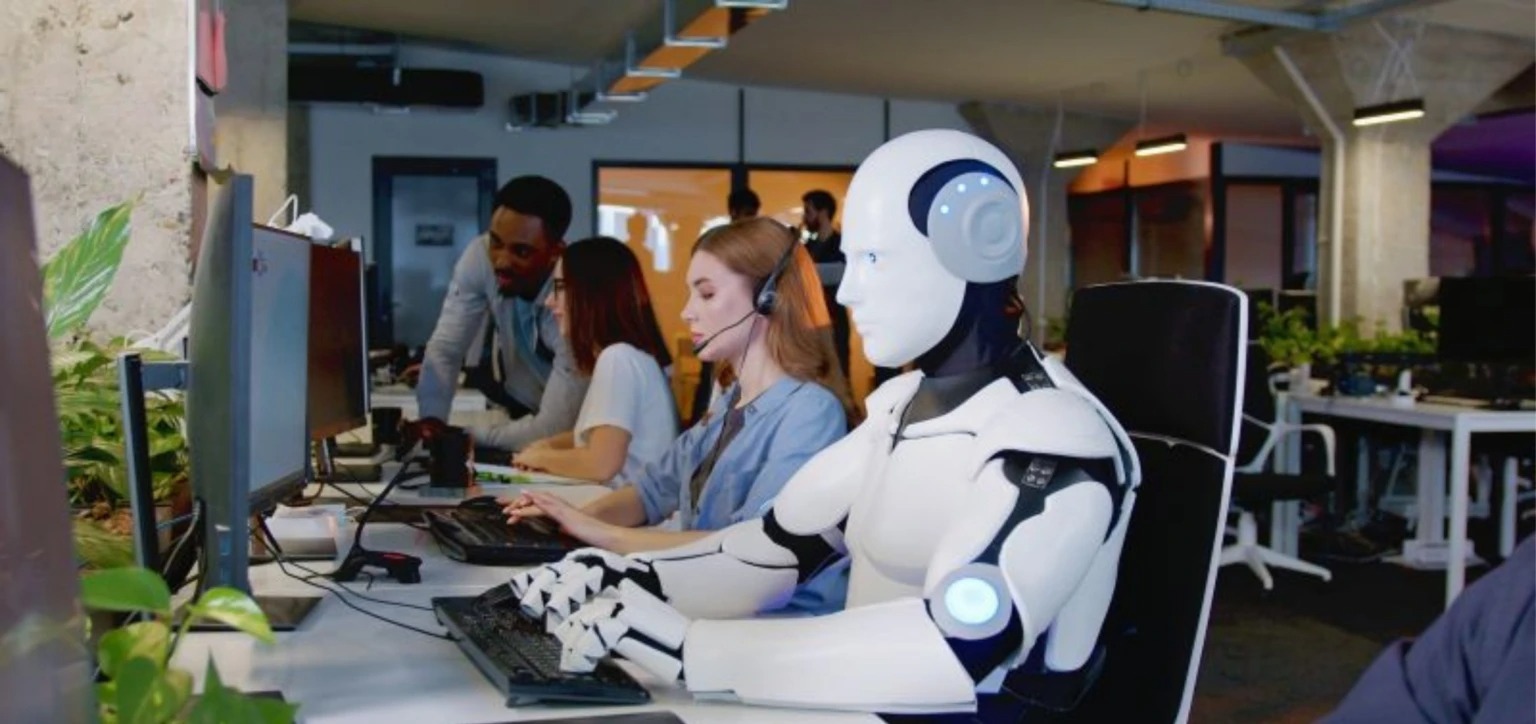
Growing Fear Among Workers
First of all, more than half of employees worry that AI could take their jobs. Therefore, this fear shows how serious the AI jobs impact feels for many workers. In addition, surveys find rising concern as AI tools spread in offices, shops, and factories.
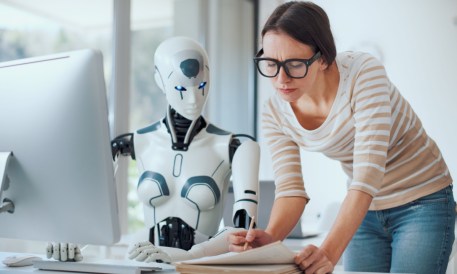
AI Creating New Kinds of Work
However, Jensen Huang says AI is also creating new work instead of only cutting it. For instance, data centers need plumbers, electricians, builders, and other skilled workers to support AI infrastructure. In this way, AI jobs impact can open fresh chances in trade and construction rather than closing doors.
AI as a Workplace Teammate
Similarly, Maria Black from ADP sees AI as a teammate for workers rather than a rival. She says AI helps solve real problems at work, and it does not just cut jobs from the system. Consequently, this view turns AI jobs impact into a story of support instead of threat for many employees.
Keeping People at the Center
Because of these changes, Black also warns that people must stay at the center of all AI plans. Companies should use AI to lift humans, not replace them, so workers can still grow. Additionally, good rules, fair use, and training are key to a positive AI jobs impact over time.
Huge Investment in Generative AI
Furthermore, spending on generative AI reached $34 billion in 2024, up 18.7% from 2023. This huge flow of money shows how strongly businesses believe in AI jobs impact and higher productivity across markets. As a result, a Stanford report says this wave of investment is reshaping the future of work in many countries.
Rapid AI Adoption in Companies
In 2024, 78% of companies said they already used AI, a 55% rise in just one year, and this trend is still growing. In fact, this growth is even faster than early internet adoption, which surprised many experts. Therefore, it proves that AI jobs impact is spreading quickly in many industries, from finance to healthcare.
Skills Gap and Need for Training
At the same time, 43% of workers report using generative AI tools often, mostly in tech and information jobs. Consequently, this creates a new skills gap between those who can use AI and those who cannot. To manage AI jobs impact better, firms must train leaders and staff on how and when to use AI tools wisely.
From Small Tests to Full Change
Meanwhile, Deloitte says many firms are moving from small AI tests to full use in their main processes. Because of this shift, job roles and daily tasks are changing in a deep way across teams. Specifically, leaders now need to redesign work so that human judgment, empathy, and creativity become more important, not less.
Rising Risks from Autonomous AI
Yet there are growing risks as well, especially with new autonomous systems. Around 74% of companies plan to roll out autonomous AI agents in the next two years, but only 21% have strong rules to control them. Accordingly, this weak oversight makes AI jobs impact more risky and can lead to unfair or unsafe decisions at work.
IMF Warning on Future Jobs
Finally, IMF chief Kristalina Georgieva says AI will hit jobs like a “tsunami,” which is a very strong image. She expects 60% of jobs in rich countries to be changed, improved, or even removed by AI over the next years. Overall, about 40% of roles worldwide will feel this AI jobs impact, with young people and the middle class facing the hardest squeeze if action is too slow.