

Google Removes Visible Watermark from Gemini
Google has introduced a major update that allows users to remove the visible watermark from images generated by its Nano Banana image generator. This change addresses a common complaint from creators who found the watermark distracting and unprofessional compared to outputs from other AI tools.

New Setting in Gemini and Flow
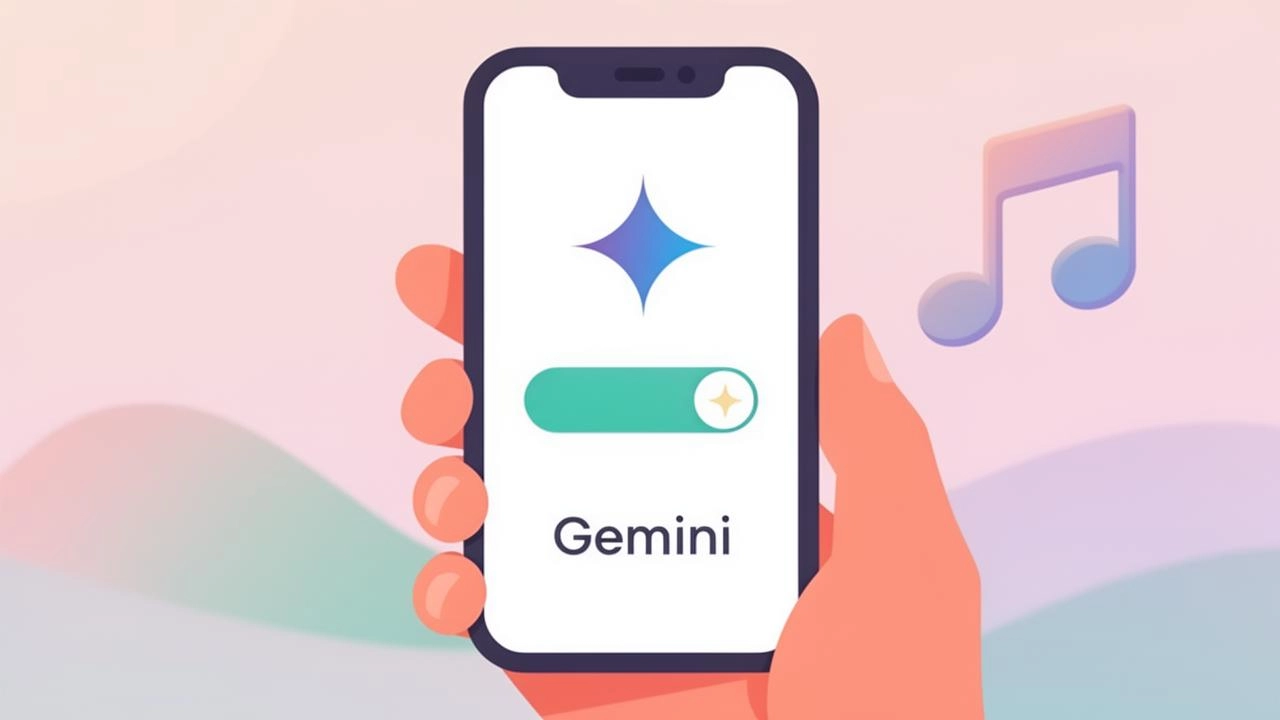
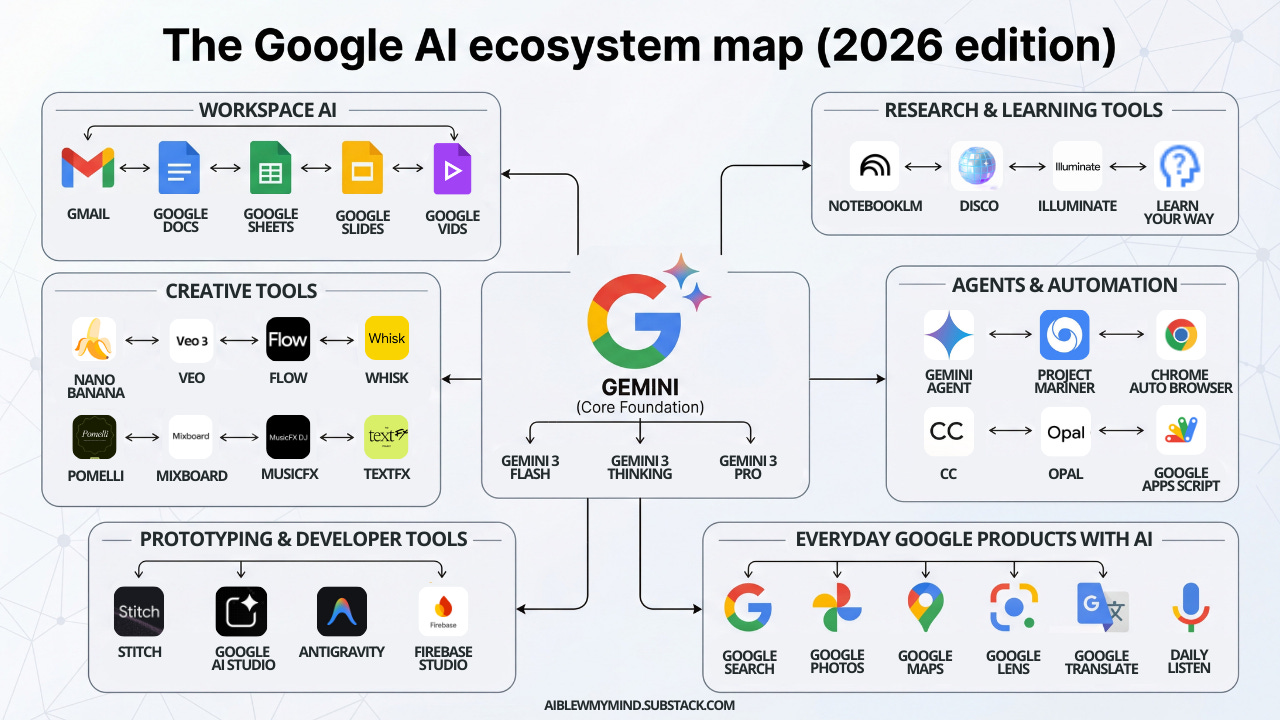
The option to hide the watermark is now available as a toggle in both Gemini and Flow. Users will soon be able to access the same feature in Google Search’s AI Mode. This makes it easier for creators to generate clean, watermark-free visuals directly from Google’s ecosystem.
Watermark Removal for Videos and Songs Too
The update isn’t limited to images. Users can also remove visible watermarks from videos created with Gemini Omni and songs produced with Lyria. The only exception applies in countries where local laws require watermarks to remain visible for AI-generated content.
Invisible Watermarks Still in Place
While visible watermarks are now optional, Google continues to use invisible SynthID watermarks and C2PA metadata. These hidden markers help identify AI-generated content without affecting the visual quality. Users can still ask Gemini whether an image was AI-generated, and the system will provide an accurate response.
Why This Matters for Creators
For content creators, marketers, and businesses, this update removes a significant barrier to using Google’s AI tools. Watermark-free images and videos look more professional and are easier to integrate into blogs, social media posts, and advertisements. This change could make Google’s AI generators more competitive against rivals like ChatGPT’s latest model.
Transparency vs. Creative Freedom
The move balances creative freedom with transparency. Visible watermarks helped viewers identify AI-generated content at a glance, but many creators felt they reduced the usability of the output. Invisible watermarks maintain accountability without compromising the final look of the content.
What Users Should Know Before Using
Users should be aware that while they can hide visible watermarks, the content is still marked as AI-generated behind the scenes. This means platforms and tools that detect SynthID or C2PA metadata may still flag the content. It’s important to follow local laws and platform guidelines when publishing AI-generated media.
Global Rollout and Legal Exceptions
The feature is rolling out globally, but some countries may not have access due to legal requirements. In regions where AI content must be visibly labeled, the watermark removal option will remain disabled. Users in these areas will continue to see watermarks on all AI-generated images, videos, and songs.
How This Affects the AI Landscape
This update positions Google as more flexible and user-friendly in the competitive AI market. By listening to creator feedback and adapting its tools, Google is showing that it values usability alongside safety. Other AI companies may follow suit, leading to more customizable watermark options across the industry.
Practical Tips for Using the Feature
-
Toggle off the visible watermark in Gemini or Flow settings before generating content.
-
Remember that invisible watermarks still apply for content identification.
-
Check local regulations before publishing watermark-free AI content.
-
Use AI-generated media responsibly to maintain trust with your audience.
Looking Ahead
As AI tools become more advanced, the balance between transparency and usability will continue to evolve. Google’s latest update is a step toward giving creators more control while maintaining ethical standards. Users can expect further refinements as the technology and regulations develop.
In summary, Google’s decision to allow watermark removal is a significant win for creators who want clean, professional AI-generated content. While invisible markers ensure accountability, the removal of visible watermarks makes Google’s tools more practical for everyday use. This change reflects a broader trend toward user-friendly AI features without compromising on safety and transparency.
Thanks for pointing that out! Yes, the rollout details are based on OpenAI’s release notes, and availability may vary by market as the rollout continues.