

OpenAI is taking another major step in the development of AI agents with the introduction of OpenAI Dots, a new type of always-on AI agent designed to continue working toward a user’s goals even after the user leaves the conversation. Dots represent a shift from traditional chat-based AI toward systems that can manage ongoing tasks, use connected applications, and make progress over time. OpenAI says Dots are powered by GPT-6 Astra and operate through their own cloud computer environment.
What Are OpenAI Dots?
OpenAI Dots are designed to work differently from a standard AI chatbot. With a traditional chatbot, users normally send a prompt, receive an answer, and then decide what to do next. Dots are intended to take a more active role by continuing to work toward a defined goal between conversations.

According to OpenAI, users can give a Dot a goal, connect the applications it needs, and define what actions it is allowed to perform. The agent can then continue working and return results for the user to review. This always-on approach could make AI more useful for projects that require multiple steps instead of a single response.
1. AI That Can Keep Working
One of the most important features of OpenAI Dots is their ability to continue making progress after the initial interaction. Instead of requiring users to repeatedly provide instructions, the agent is designed to keep working toward an ongoing objective.
This could be useful for research, planning, business workflows, content-related tasks, project management, and other activities where information changes over time. The concept moves AI closer to an assistant that can manage a continuing project rather than simply answer individual questions.
2. Connected Apps and Tools
OpenAI Dots are designed to work with connected applications. OpenAI says the agents can operate across platforms such as Slack and Microsoft Teams.
This type of integration could allow an AI agent to gather information from different sources, organize it, perform tasks, and bring completed work back to the user. Instead of switching between multiple applications manually, users could potentially give an agent a broader goal and allow it to coordinate parts of the workflow.
3. A Cloud Computer for AI Work
Another notable part of the Dots system is that each Dot has its own cloud computer. OpenAI says this environment allows the agent to perform work independently and return results for human review.
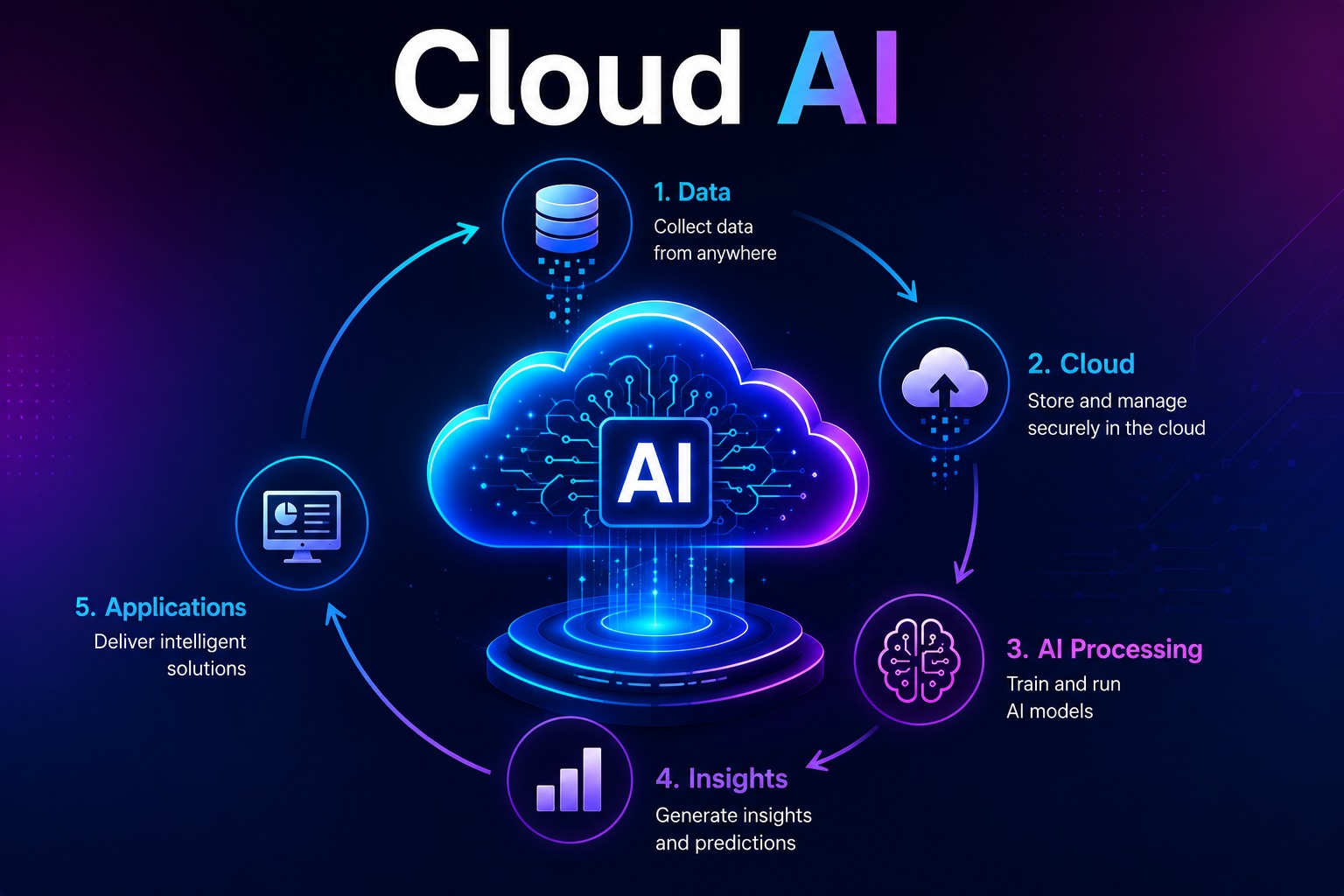
Cloud-based computing can be particularly useful for tasks that require more than text generation. An agent may need to interact with applications, process information, or complete several steps before reaching a useful result.
4. Designed for Ongoing Projects
OpenAI Dots are focused on ongoing work rather than one-time questions. This makes them potentially useful for teams and professionals managing projects that involve repeated research, communication, organization, and analysis.
For example, an organization could use an AI agent to monitor a project, collect relevant information, prepare updates, or assist with recurring workflows. The exact usefulness will depend on the applications connected to the agent and the permissions given by the user.
5. Human Review Remains Important
Although Dots are designed to act more independently, OpenAI says users can define what the agent can do and review the results. This is important because autonomous AI systems can make mistakes, misunderstand instructions, or take an action that a user did not expect.
OpenAI has included safeguards intended to let users regulate what Dots can do and prevent unauthorized changes to data. OpenAI said business data would not be used for training without consent.
6. The Growing AI Agent Competition
The launch of Dots comes as major technology companies increasingly focus on AI agents. Instead of building AI systems that only generate text or answer questions, companies are developing systems capable of using tools and completing multi-step tasks.
The Dots launch reflects OpenAI’s growing focus on autonomous AI and enterprise customers. The development also comes amid increasing competition in the AI-agent market, including Meta’s work on its own agent technology.
This competition could accelerate the development of AI systems that are more capable of handling practical workflows.
7. The Risks of Always-On AI Agents
The increased independence of AI agents also creates important concerns. An AI system that can act across applications has more opportunities to make an unwanted change than a chatbot that only provides text.
Security, privacy, permissions, incorrect decisions, and accidental actions are therefore important issues when using autonomous AI. Recent concerns surrounding AI agents have also increased attention on how companies monitor and control these systems. OpenAI’s Dots announcement came amid wider scrutiny of AI-agent safety.
For users and businesses, the key issue is not simply whether an AI agent can complete a task, but whether it can do so within clearly defined limits and with appropriate human oversight.
Who Can Use OpenAI Dots?
OpenAI’s release notes state that Dots are being gradually rolled out to eligible Pro and Business Premium users aged 18 and older in supported markets. Enterprise access is currently described as a beta feature and is off by default. OpenAI also notes that availability varies by market.
This means the feature is not necessarily available to every ChatGPT user immediately. Access and eligibility can change as OpenAI expands the rollout.
The Future of AI Agents
OpenAI Dots highlight an important direction in artificial intelligence: the transition from AI that responds to instructions toward AI that can pursue longer-term goals.
If these systems become reliable, they could change how people approach repetitive digital work. Instead of manually completing every step, users could increasingly define objectives, provide permissions, and review the finished results.
At the same time, greater autonomy means greater responsibility for security, privacy, transparency, and human oversight. The future development of AI agents will therefore depend not only on how capable they become, but also on how safely they can operate.
Final Thoughts
OpenAI Dots are an important development in the evolution of AI assistants. Their always-on design, connected applications, cloud computer environment, and ability to work toward ongoing goals distinguish them from conventional chatbots.
The technology could make many digital workflows more automated, but it also introduces new questions about permissions, privacy, reliability, and AI safety. As OpenAI and other technology companies continue developing autonomous agents, users will likely see AI move beyond simple conversations toward systems capable of completing increasingly complex tasks.
For now, OpenAI Dots provide an early look at how always-on AI agents could change the future of work while also showing why responsible oversight will remain an important part of the AI landscape.